
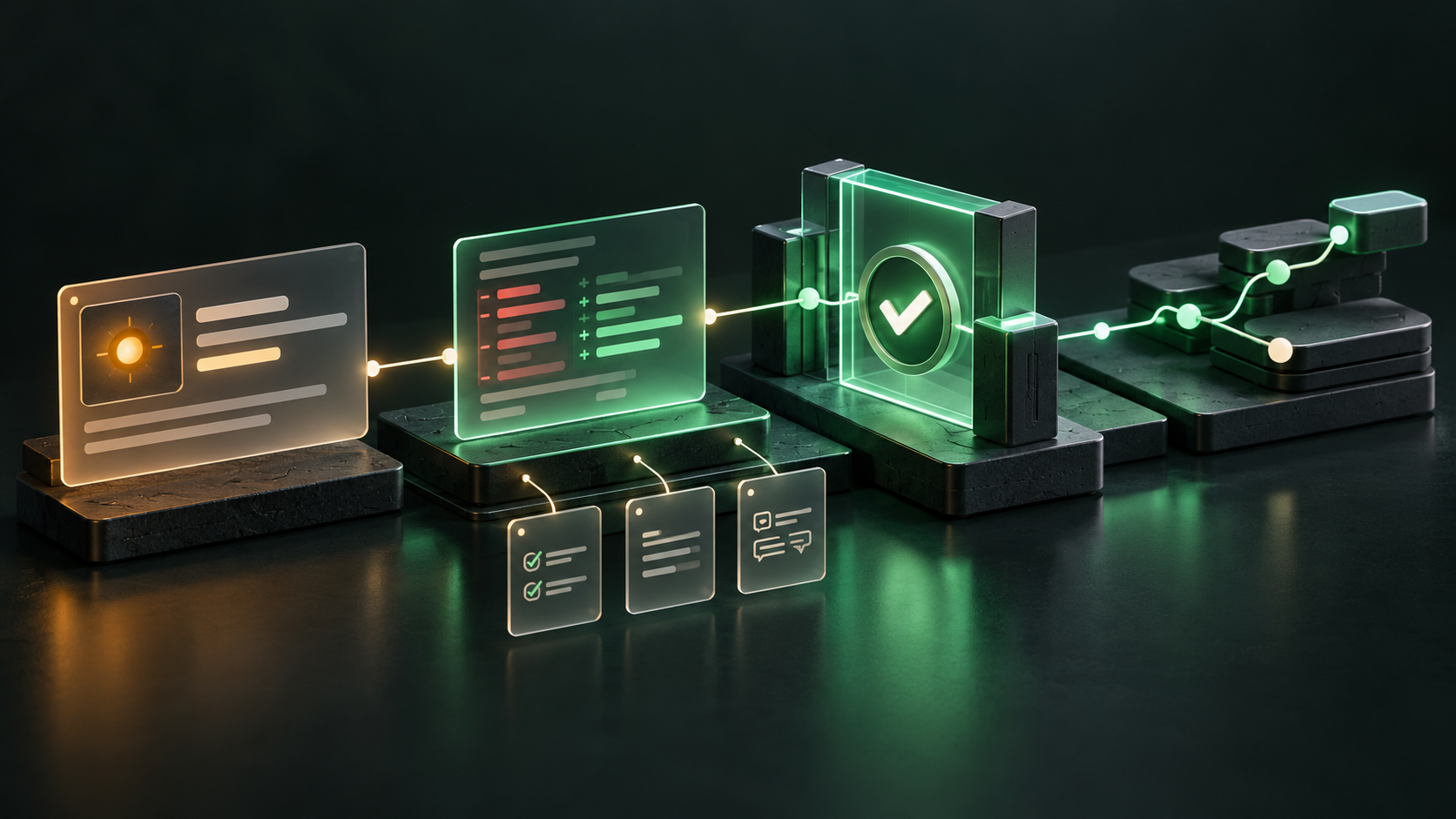
A correct AI-generated security patch still needs an accountable decision to merge it. Teams need to understand what the fix addresses, who authorized the work, which checks evaluated it, and who accepted the resulting code.
Anthropic’s OSS Scanner makes that distinction timely. On 8 October 2026, Anthropic launched the Anthropic Cyber Mission, including a free, opt-in service that gives eligible open-source projects recurring security scans using its strongest models.
This is a useful development for maintainers and for the organizations that depend on their software. It also gives AppSec, open-source program offices and platform engineering teams a practical question to consider: when an AI-generated finding becomes a proposed fix, what evidence should travel with the change?
What OSS Scanner provides
Anthropic’s technical launch post describes reports containing a self-contained reproducer, an explanation of the vulnerability, and a candidate patch when available. Enrolled projects receive recurring scans, helping maintainers investigate both newly introduced vulnerabilities and issues earlier scans may have missed.
The service offers an optional fast track: reports are model-generated and delivered without prior human review or triage. That describes Anthropic’s report preparation process; it does not mean maintainers accept patches without reviewing them. Anthropic also continues its separate process for human-verified disclosures.
Anthropic explicitly acknowledges that reports can be incorrect and that severity ratings or threat-model assumptions can need correction. Its OSS Scanner FAQ also describes maintainer verification, repository scope checks, and guidance for linking a resulting fix to a report identifier.
Those controls matter. The next question concerns how a receiving team evaluates and accepts the code change.
Finding confidence and change governance answer different questions
Finding confidence concerns the technical claim: is the vulnerability real, and does the proposed patch address it without introducing regressions?
Change governance concerns the decision and its evidence: was the work authorized, which policies applied, what did reviewers evaluate, and which revision was accepted?
| Control | Questions to answer | Useful evidence |
|---|---|---|
| Vulnerability validation | Can we reproduce the issue? Does it apply to our threat model? | Reproducer, affected versions, technical analysis |
| Patch validation | Does the fix address the issue and preserve expected behavior? | Regression tests, security checks, review of the diff |
| Authorization and policy | Who initiated the work? Was the action permitted? | Task owner, agent identity where captured, applicable policy and approval records |
| Acceptance and traceability | What was approved and merged? | Finding reference, reviewed commit, check results, reviewer decision and merge record |
A high-quality vulnerability report strengthens the first part of this workflow. Teams still need evidence for the decisions that follow it.
Follow one fix through the repository
Consider a hypothetical report identifying missing authorization on a file-download endpoint. The report includes a reproducer and a candidate patch that checks whether the requester owns the file.
The receiving team reproduces the issue and confirms that it falls within the application’s threat model. A maintainer opens a remediation task. A developer or authorized coding agent adapts the candidate patch to the current branch and submits a pull request referencing the report.
Reviewers then check more than whether the new ownership check stops the reproducer. Does the patch preserve access for legitimate administrators? Does it cover alternate download routes? Have tests checked both permitted and denied requests?
Before merging, the team applies its required checks and approvals. The review record should identify the revision that passed those checks and was accepted. If the patch changes after approval, the workflow should make clear whether the updated revision needs another review.
For this example, a useful evidence trail is:
Finding → authorized task → proposed patch → tests and policy checks → review decision → merged revision
This is a workflow teams can aim to establish across their tools. It is not a claim that OSS Scanner creates pull requests or performs these acceptance steps automatically.
Authorization must come from the surrounding workflow
A model-generated patch does not, by itself, establish authorization to merge.
An organization can delegate actions to an agent through scoped permissions and policies. The resulting record should make that delegation inspectable: which identity acted, what it was allowed to do, and whether required approvals were obtained.
Repository history captures the resulting code. Teams may also need records from task management, agent sessions, CI and review systems to explain how that code was produced and accepted. Consistent references between those records help reviewers reconstruct the sequence.
The same care applies to gaps. If an agent session was not captured, or a report was never linked to its pull request, the evidence should show that limitation. A missing record cannot establish that a check occurred.
Where Secuarden Change Assurance fits
Secuarden brings code security and change evidence into the same review conversation. For this workflow, the relevant capability is Change Assurance: connecting supported agent activity, human intent, policy decisions and code changes into an inspectable record.
That evidence helps teams examine how an AI-assisted change was produced and governed. Coverage depends on the integrations in use and the evidence captured in each workflow. Teams should verify which links are available rather than assume every finding, agent action, approval and deployment is automatically connected.
A governance record also does not establish that a vulnerability is real or that a patch is technically correct. Reproduction, testing and security review remain part of accepting the fix.
Make the acceptance record part of remediation
Anthropic’s OSS Scanner gives eligible maintainers another way to find and investigate vulnerabilities. As teams use AI-generated reports and candidate patches, they can make the acceptance record part of the remediation process from the start.
For the next AI-proposed security fix your team reviews, ask: can we connect the finding to the exact revision we accepted, explain who authorized the work, and retrieve the checks and review decisions behind the merge?
That is a concrete place to begin governing AI-assisted remediation.